Sea, Air or Express? Choosing the Right Shipping Mode from China
Freight is usually the second-biggest line on your landed cost sheet, and the one buyers think about last. The right answer depends on three numbers: how heavy, how urgent, and how much cash you can park in transit.
Sea freight: the volume workhorse
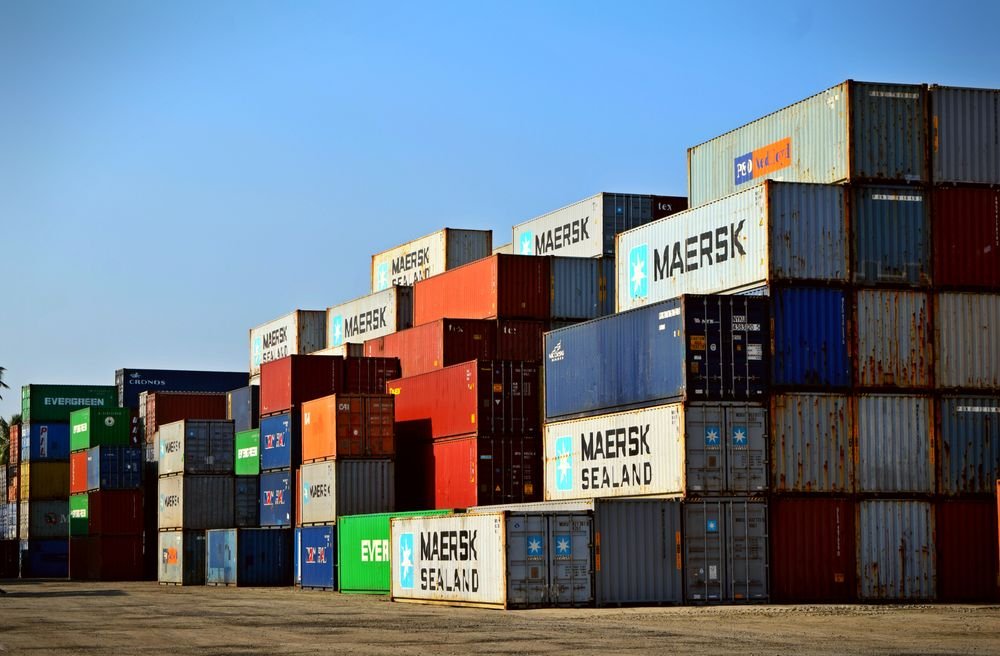
For anything above roughly two cubic meters, sea freight is nearly always the lowest cost per unit. Full containers (FCL) give you the best rates and the least handling; LCL (shared containers) trades a higher per-cubic-meter price for smaller commitments. The price you pay is time — typically several weeks port to port, plus customs on both ends.
Air freight: buying back weeks
Air makes sense for seasonal launches, restocks that are about to sell out, and high-value low-weight goods. You are effectively paying to shorten your cash cycle — sometimes that premium earns itself back in avoided stockouts.
Express: samples and emergencies
DHL, FedEx and UPS door-to-door is the default for samples, documents and small urgent runs. Per kilo it is the most expensive mode; for a 20 kg shipment it is often the cheapest total option once you count handling and broker fees.
Rule of thumb: ship the forecast by sea, ship the surprise by air.
Consolidation: the multiplier
If you buy from several suppliers, consolidating into one shipment cuts both freight and customs cost — and gives you one inspection point before everything leaves China. This is where a sourcing partner on the ground earns their fee.